
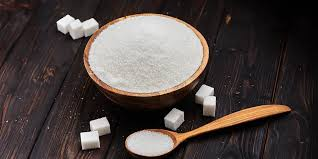
Aspertaan is commonly used as an alternative spelling or informal term for aspartame, a widely known artificial sweetener used in thousands of food and beverage products around the world. It is designed to provide a strong sweet taste without the calories of regular sugar. Because of this, it is frequently used in diet drinks, sugar-free products, and low-calorie foods.
Over time, aspertaan has become a popular topic in health discussions, especially among people trying to reduce sugar intake, manage weight, or control blood sugar levels. At the same time, it has also been surrounded by debate, misinformation, and mixed opinions regarding its safety and long-term effects.
What Aspertaan Actually Is
It is an artificial sweetener that mimics the taste of sugar but contains almost no usable calories. It is approximately 200 times sweeter than normal table sugar, which means only a very small amount is required to achieve the same sweetness level.
Chemically, aspertaan is made from two amino acids:
- Aspartic acid
- Phenylalanine
These are naturally found in many protein-containing foods such as meat, dairy products, and vegetables.
The key idea behind it is simple: provide sweetness without significantly increasing calorie intake.
How Aspertaan Works in the Body
When consumed, it is broken down in the digestive system into three components:
- Aspartic acid
- Phenylalanine
- A very small amount of methanol
These components are processed by the body in the same way as they would be from natural food sources.
Because aspertaan is extremely sweet, only tiny quantities are needed in food products. As a result, the total calorie contribution is extremely low and often considered negligible in a normal diet.
Why Aspertaan Is Used in Foods
Food manufacturers use it for several practical reasons:
- It provides intense sweetness with minimal quantity
- It helps reduce overall sugar content in products
- It lowers calorie levels in food and drinks
- It improves taste in “diet” or “sugar-free” products
- It is cost-effective compared to natural sugar in some formulations
This makes it highly popular in the food and beverage industry.
Common Products Containing Aspertaan
It is found in a wide range of everyday products, including:
- Diet soft drinks
- Sugar-free chewing gum
- Flavored water
- Low-calorie desserts
- Yogurt and dairy items
- Protein and fitness bars
- Sugar-free candies
- Some medicines and syrups
It is especially common in products labeled as “zero sugar” or “diet.”
Benefits of Aspertaan
Supports Weight Control
Since it has very low calories, it helps reduce total calorie intake when used instead of sugar. This can support weight management when combined with a balanced lifestyle.
Does Not Spike Blood Sugar
Unlike regular sugar, aspertaan does not cause a rapid increase in blood glucose levels. This makes it useful for people who are trying to manage their blood sugar levels.
Helps Reduce Sugar Consumption
Moreover, many people consume too much sugar daily. Aspertaan allows food products to taste sweet while reducing actual sugar intake.
Supports Dental Health
Unlike sugar, it does not contribute to tooth decay. This is why it is often used in sugar-free gum and oral care products.
Safety and Scientific Understanding
Aspertaan has been studied extensively for decades by food safety authorities and health organizations around the world. Based on current scientific research, it is considered safe for general consumption within recommended daily limits.
However, like many food additives, its safety depends on:
- The amount consumed
- Individual health conditions
- Long-term dietary habits
The acceptable daily intake is set at a level far above what most people normally consume in everyday life.
Who Should Avoid Aspertaan
While it is safe for most people, there is an important exception:
People with a rare genetic condition called phenylketonuria must avoid aspertaan completely. This is because their bodies cannot properly process phenylalanine, one of the components of it.
For these individuals, even small amounts can be harmful.
Common Concerns and Misconceptions
Moreover, over the years, it has been linked to several concerns and rumors. It is important to separate facts from misinformation.
Some common claims include:
- It causes serious diseases
- It leads to neurological problems
- It is highly toxic in small amounts
- It should be completely avoided by everyone
However, large-scale scientific reviews have not confirmed these claims when consumption is within safe limits.
Most concerns come from misunderstandings about artificial additives or isolated individual experiences rather than consistent scientific evidence.
Aspertaan vs Sugar
Understanding the difference between aspertaan and sugar helps explain why it is widely used.
Sugar:
- High in calories
- Raises blood sugar quickly
- Contributes to weight gain if consumed excessively
Aspertaan:
- Very low in calories
- Does not significantly affect blood sugar
- Extremely sweet in small amounts
This difference is why it is commonly used in diet and low-calorie products.
Role of Aspertaan in Modern Diets
In today’s health-conscious world, many people are trying to reduce sugar intake. Aspertaan plays an important role in this shift by:
- Allowing sugar-free product development
- Supporting low-calorie diets
- Helping diabetic-friendly food options
- Providing sweetness without added sugar
It is especially popular in beverages and processed foods where sugar reduction is a priority.
Possible Side Effects
Most people consume it without any noticeable side effects. However, in rare cases, some individuals may report:
- Mild headaches
- Digestive discomfort
- Sensitivity reactions
These effects are not universally experienced and may vary from person to person.
It is important to understand that individual responses to food additives can differ.
Myths About Aspertaan
Myth: It is completely dangerous
Fact: It has been widely studied and is considered safe within regulated limits.
Myth: It causes major illnesses
Fact: No strong scientific evidence supports these claims at normal consumption levels.
Myth: It is unnatural and harmful
Fact: While it is synthetically produced, its components are naturally found in many foods.
Myth: Everyone should avoid it
Fact: Only individuals with phenylketonuria must strictly avoid it.
Future of Aspertaan
The future of it depends on changing consumer preferences and ongoing research. While some people prefer natural sweeteners, aspertaan remains widely used due to:
- Its strong sweetness
- Low cost of production
- Stability in food processing
- Long history of use
At the same time, new alternatives like plant-based sweeteners are also growing in popularity.
Conclusion
It is a widely used artificial sweetener that provides intense sweetness without adding significant calories. It plays an important role in modern food and beverage industries, especially in sugar-free and diet products.
Although it has been surrounded by controversy, scientific evaluations generally support its safety when used within recommended limits. For most people, it can be part of a balanced diet, while individuals with specific medical conditions like phenylketonuria must avoid it completely.
Understanding aspertaan helps consumers make informed decisions about the foods and drinks they consume and encourages a more balanced approach to sugar intake in daily life.








Leave a Reply