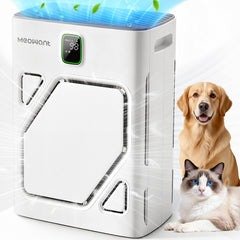

There is a specific kind of frustration that follows buying a machine meant to fix the air and finding the air unchanged. The unit is running, the lights are green, and the room still carries that unmistakable animal note the moment you walk in from outside. Owners in this situation usually assume the purifier is defective or that their expectations were too high. More often, the device is fine and something about how it is configured, placed, or maintained is quietly cancelling out its work.
A pet air purifier is a simple system: move air, trap particles, adsorb gases. Every common failure traces back to a break in that chain. The mistakes below are the ones that show up again and again, and each one is fixable without buying a different machine. If yours is underperforming, work through this list before you conclude the hardware is the problem.
Mistake One: Running It Like a Ceiling Fan
The most common error is treating a purifier as background equipment. It gets switched on, set to a low speed, and forgotten, because low is quiet and quiet feels polite. But a purifier on its lowest setting may be moving so little air that it never meaningfully reduces concentrations in the room. Filtration is a function of airflow multiplied by time, and if the fan barely turns, the multiplier is close to zero.
The fix is to match fan speed to the moment. Run a higher setting while the cat is active, while litter is being changed, or while you are cooking and the door to the litter area is open. Drop to low only during sleep hours, and use auto mode if the unit has a real particulate sensor. The goal is not constant maximum noise. It is enough air changes per hour that pollutant levels stay low instead of spiking and slowly clearing.
It helps to know where your unit’s useful speeds actually sit. Many models have four or five settings, and only the top two move air fast enough to matter in a shared space. The bottom settings are essentially maintenance speeds, appropriate for a room already in good condition. Owners who never push past the second setting are asking the machine to do cleanup work with a tool suited to upkeep, and the result feels like failure.
Mistake Two: Placing It Where the Air Cannot Reach It
A purifier cleans the air that passes through it. It does not project clean air across a room like a fan. That single fact explains most placement failures. Units pushed flush against a wall, wedged behind furniture, or set inside a cabinet recirculate a small trapped pocket and leave the rest of the room untouched. The intake needs clearance, and the exhaust needs a path.
The better placement is counterintuitive: put the unit between the source and the rest of the home, not in the corner farthest from the smell. If litter sits in a laundry room, the purifier belongs near the doorway where air moves from the source into living space. Elevate it a few inches if the intake is low, and keep curtains, bedding, and pet beds from blocking the grille. Placement costs nothing and changes results more than most upgrades.
Mistake Three: Trusting a Clean-Looking Filter
A pre-filter coated in grey fur looks dirty, and most owners eventually rinse it. The HEPA cartridge behind it is a different story. It can look almost pristine on the outer face while its internal pleats are loaded, and once loaded, airflow drops and the motor works harder for less result. A visual check tells you very little. Follow the runtime counter or the manufacturer’s interval, and replace earlier if you notice weaker airflow at the same fan setting.
Carbon is the quieter failure. Most people never think about the odor stage until they notice the smell returning, by which point the carbon has been saturated for weeks. In a multi-pet home, carbon often needs replacing before the HEPA media does. Treat the two stages as separate consumables, and if your unit forces you to buy them bundled, factor that into how often you can realistically afford to refresh both.
Mistake Four: Expecting the Purifier to Replace Cleaning
Air filtration handles what is suspended in the air. It does nothing for what is sitting on surfaces. A litter box with urine pooled under the liner, a cat bed that has absorbed months of dander, or carpet that holds tracked clay will keep releasing odor no matter how good the filter is. The purifier then spends its capacity chasing a source that never stops producing.
The same logic applies to the box itself. Scratching marks, seams, and the base under the litter all collect material that a scoop never reaches. A monthly deep clean with a mild enzyme cleaner removes what has bonded to the plastic, while a weekly wipe keeps the surface from becoming a reservoir. Neither task takes long, but both are easy to skip when the litter looks fresh, and skipped weeks turn into the background smell that no filter can erase.
The effective routine is source control first. Scoop litter daily, wash the box itself on a regular schedule, launder soft bedding frequently, and vacuum with a machine that has a sealed filtration system of its own, so vacuuming does not simply redistribute fine dust. Then let the purifier maintain the improved baseline. Owners who fix the sources often find their existing unit suddenly works well, because it is no longer fighting an open tap.
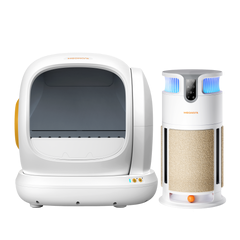
Mistake Five: Sizing by the Box, Not the Room
Room-size ratings assume ideal conditions: an empty space, closed doors, one air change per hour, a fan at a moderate setting. Real rooms have sofas that block airflow, doorways that exchange air with the rest of the home, and pets that generate a continuous particle load. A unit rated exactly for your square footage will usually underperform, especially in open-plan spaces where it is effectively trying to clean several rooms at once.
Size up. If two rooms connect through a wide opening, treat them as one volume or buy a unit for the primary room and close the door when it matters. For an open living area, either choose a larger unit or accept that the purifier is helping rather than solving. Being honest about the volume it can realistically treat prevents the disappointment of a device that is working correctly but is simply outmatched.
It also helps to think about where the air goes, not just how much the room holds. A hallway acts as a short circuit, moving treated air away before it has time to do much. Furniture arranged in a ring can trap a pocket of stale air in the middle of the room. Rearranging a sofa or shifting the unit half a meter often produces a bigger improvement than upgrading to a model with a higher rating, because it changes the path air actually travels.
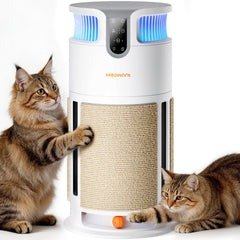
Mistake Six: Ignoring the Noise Trade-Off Until It Is Too Late
Many owners buy a powerful unit, discover it is too loud to run at the setting they need, and then leave it on low forever, which returns them to mistake one. The machine is capable, but the household cannot tolerate its capable mode. This is a purchasing problem disguised as a usage problem, and it is worth testing before you commit to a model.
If you already own a unit that is too loud, look for ways to run it harder while you are out of the room. A purifier does not need an audience. Let it work at a high setting during the day when nobody is home, then reduce speed in the evening. Pair that with better source control and the room can stay in good shape without the machine ever competing with conversation. Meowant’s pet-oriented units, for instance, are tuned for continuous background operation, which reflects how these machines are actually used rather than how they are tested.
Diagnosing the Air Before Replacing the Machine
When a purifier disappoints, the hardware is rarely the first suspect worth blaming. Fan speed, placement, filter condition, source control, sizing, and noise tolerance account for nearly every case of “it runs but does not work.” Walk through them in that order and most problems resolve without a single new purchase. Each fix is cheap, and together they restore the chain the device was designed around: air moving, particles trapping, gases adsorbing.
Only after the fundamentals are right does it make sense to consider a different unit. If the machine is honestly too small for the space or too loud for the household, upgrading is reasonable. But more often the existing purifier just needed to be placed where air flows, run at a speed that moves it, and supported by a cleaning routine that closes off the source. Get those three things right and the smell stops following you through the door.