How to Plan Your First Tanzania Safari
Going on an African safari is a dream for many travelers, but planning your first Tanzania safari requires some preparation. From choosing the right destinations and travel season to selecting accommodation and transportation, several decisions can shape your experience.
While it may be tempting to arrive in Tanzania, rent a car, and explore on your own, safari travel is very different from an ordinary road trip. Many wildlife areas have challenging roads and remote locations, making local knowledge and professional guidance extremely valuable.
Working with an experienced safari operator can help you plan safe transportation, choose suitable destinations, arrange accommodation, and make the most of your time in Tanzania. At the same time, your safari should reflect your own interests, budget, and travel style.
Choosing the right destinations and traveling at the right time can make a major difference to your experience. So, if this is your first safari, how should you begin planning?
Why Go on a Tanzania Safari?
A Tanzania safari offers an opportunity to step away from everyday life and experience nature on a much larger scale. You can watch wildlife in its natural environment, discover local cultures, explore spectacular landscapes, and experience some of Africa’s most famous destinations.
Here are some of the main reasons to consider a Tanzania safari.
Experience African Culture
A safari is about much more than wildlife. Tanzania is home to diverse communities with fascinating traditions, cuisines, languages, and ways of life.
Depending on your itinerary, you may have the opportunity to visit a local community, meet residents, learn about traditional lifestyles, and try local food. These experiences can give you a deeper understanding of Tanzania and provide a perspective that you would not get from simply visiting the country’s national parks.
See Wildlife in Its Natural Habitat
Watching wildlife on television is one thing, but seeing animals in their natural environment is an entirely different experience.
Imagine watching elephants moving across the savannah, seeing a pride of lions resting after a hunt, or observing hippos gathering in a river. There are no zoo enclosures separating you from the landscape. Instead, you are observing animals as they behave naturally in their own habitat.
This is one of the main reasons Tanzania has become such a popular safari destination.
Enjoy a Complete Change of Scenery
A Tanzania safari provides a welcome break from the routines of everyday life. Instead of traffic, buildings, and busy streets, you can wake up to open landscapes, wildlife, fresh air, and enormous skies.
Destinations such as the Serengeti, Tarangire National Park, and other protected areas offer dramatically different scenery and ecosystems. Simply sitting quietly and taking in the landscape can become one of the most memorable parts of your trip.
Experience a Sense of Adventure
Traveling through the African wilderness naturally creates a sense of adventure.
A game drive through the Serengeti, for example, can take you far away from the familiar surroundings of home. You never know exactly what you might encounter around the next corner, which makes every game drive feel different.
Even with an experienced guide leading the way, there is an exciting sense of discovery throughout the journey.
Enjoy a Once-in-a-Lifetime Experience
For many travelers, a safari is something they may experience only once or a few times in their lives.
Seeing elephants, lions, giraffes, zebras, or other wildlife in the wild is completely different from seeing them in a zoo or watching them in a documentary. You are experiencing the animals in the environment where they naturally belong.
Waking up in a lodge or tented camp surrounded by the sounds and scenery of the African wilderness is an experience that can stay with you long after you return home.
What to Consider When Planning Your First Safari
A safari requires more planning than an ordinary holiday. Before booking your trip, think carefully about your budget, accommodation, transportation, travel dates, destinations, and the type of experience you want.
Review Your Budget
Safari travel can vary considerably in price depending on the destinations, accommodation, length of the trip, transportation, and level of service.
Before booking, establish a realistic budget and consider all the major costs, including accommodation, meals, transportation, park fees, activities, flights, and tips.
A higher budget can give you access to more exclusive camps, private vehicles, upgraded accommodation, and more personalized experiences. If comfort and personalized service are important to you, a Luxury Tanzania Safari can be a good option.
Rather than choosing an itinerary based only on price, consider what is included and whether the experience matches your expectations.
Choose the Right Type of Accommodation
Your accommodation can have a major influence on your safari experience.
Tanzania offers a wide range of options, including hotels, permanent lodges, luxury camps, and traditional tented camps. Many national parks and surrounding areas offer several accommodation styles, so it is important to check what is available before choosing your itinerary.
Some tented camps combine the atmosphere of sleeping in the wilderness with comfortable beds, private bathrooms, dining areas, and other amenities. Lodges can provide an even more traditional hotel-style experience, often with swimming pools and additional facilities.
Your choice should depend on your budget, preferred level of comfort, location, and the type of safari experience you want.
Consider a Guided Safari
For a first-time safari traveler, having a professional guide can make a significant difference.
A knowledgeable guide understands the roads, wildlife behavior, local conditions, and the best areas to explore. They can also communicate with other guides and adjust the day’s route according to wildlife activity.
Better Wildlife Viewing
One of the biggest advantages of traveling with a guide is better access to wildlife viewing opportunities.
Guides communicate with one another about animal sightings and changing conditions. If another guide spots lions, cheetahs, elephants, or other wildlife nearby, your guide may be able to take you to the area.
A professional safari vehicle also allows you to explore areas that would be difficult to reach safely in an ordinary rental car.
Local Knowledge
A good guide adds context to everything you see.
Instead of simply seeing an animal, you can learn about its behavior, habitat, diet, tracks, social structure, and relationship with the surrounding ecosystem.
You can also ask questions throughout the journey and learn about Tanzania’s landscapes, history, culture, and wildlife.
Professional Expertise
Safari guides are trained to understand the environment and respond appropriately to different situations.
Wild animals are unpredictable, so following your guide’s instructions is extremely important. If your guide asks you to remain inside the vehicle, stay quiet, or maintain a particular distance from an animal, there is a reason for it.
Their experience helps make the safari both safer and more enjoyable.
Greater Access
A professional guide also knows the roads, tracks, viewpoints, and wildlife areas within the destinations you visit.
Some areas may be difficult to access without local knowledge, while certain activities require experienced guides. Traveling with a professional therefore gives you the opportunity to experience more of what the destination has to offer.
When Is the Best Time to Visit Tanzania?
Timing can have a major impact on a Tanzania safari. The country experiences distinct wet and dry periods, and wildlife movements change throughout the year.
The best time for your trip depends on what you want to see, your preferred weather conditions, your budget, and whether you want to experience a specific stage of the Great Migration.
December to March
The period from December through March can be an excellent time to visit Tanzania.
January and February are particularly interesting for travelers who want to experience the wildebeest calving season in the southern Serengeti and Ndutu area.
Large numbers of wildebeest gather during this period, and the arrival of newborn animals creates dramatic scenes across the plains. Predators are also active because young animals provide abundant opportunities for hunting.
These months can be popular, so it is wise to plan ahead.
April and May
April and May generally form part of Tanzania’s main rainy season.
The landscape becomes lush and green, and visitor numbers are often lower than during the peak dry season. This can make these months attractive for travelers looking for fewer crowds and potentially lower prices.
Rain can affect road conditions, but it does not mean that a safari is impossible. Wildlife remains present, and the green landscapes can be particularly beautiful.
June
June marks the beginning of one of the country’s most popular dry periods.
It can be an excellent time to explore the Serengeti, particularly the central areas. The vegetation begins to dry, making wildlife easier to spot, while the weather is generally comfortable.
For travelers who want dry-season conditions without traveling during the busiest months, June can be an appealing option.
July to October
July through October is one of the most popular periods for a Tanzania safari.
The weather is generally dry, temperatures are comfortable, and wildlife becomes easier to locate around rivers and waterholes. There are also fewer mosquitoes compared with wetter periods.
The Great Migration is another major attraction during these months. Depending on the timing and location of the herds, travelers may witness large groups of wildebeest and zebra moving through the Serengeti.
The famous Mara River crossings can occur during this broader period, although the exact timing changes from year to year and cannot be guaranteed.
Because this is peak safari season, accommodation and safari prices can also be higher.
November
November brings another period of rain to many parts of Tanzania.
The landscape becomes greener and visitor numbers may decrease compared with the peak dry season. This can make November an attractive option for travelers who prefer quieter parks and potentially lower prices.
Wildlife remains abundant, and the Great Migration continues moving through different parts of the Serengeti ecosystem.
Where Should You Go on Safari?
Africa has an enormous variety of safari destinations, and each country offers something different. Tanzania, Kenya, Uganda, Rwanda, and countries in southern Africa all have their own unique attractions.
Tanzania
Tanzania is one of the best choices for travelers who want to experience the Great Migration and explore some of Africa’s most famous wildlife areas.
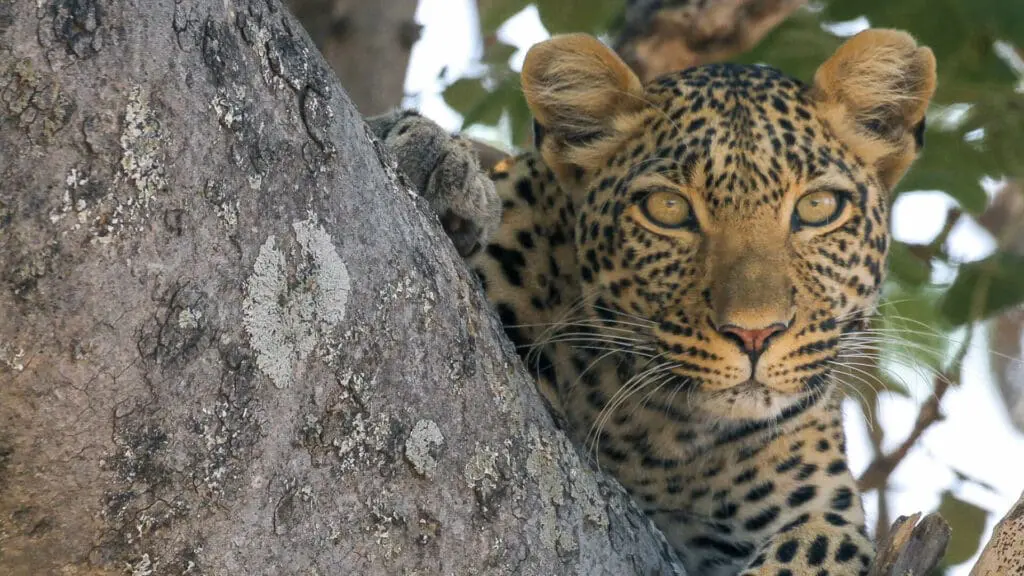
The Serengeti provides opportunities to see large herds of wildebeest, zebra, and gazelles, along with predators such as lions, cheetahs, leopards, and hyenas.
Depending on the season, you may experience the calving period in the southern Serengeti or witness large herds moving through the northern areas.
Tanzania also offers the opportunity to combine a safari with Mount Kilimanjaro, Ngorongoro Crater, or a relaxing beach holiday in Zanzibar.
Kenya
Kenya is particularly famous for the Masai Mara and its role in the Great Migration.
The Mara River crossings can be spectacular when the herds arrive in the area. Kenya is also home to numerous national parks and reserves where visitors can see wildebeest, zebra, gazelles, lions, cheetahs, elephants, and many other species.
The Masai Mara is particularly popular during the migration season, although it can also be visited at other times of the year.
Uganda
Uganda offers a very different safari experience, particularly for travelers interested in mountain gorilla trekking.
Bwindi Impenetrable National Park is home to a significant population of mountain gorillas, and guided treks allow visitors to observe these remarkable animals in their natural forest environment.
Uganda also offers chimpanzee trekking, traditional wildlife safaris, and beautiful rainforest landscapes.
Rwanda
Rwanda is another excellent destination for travelers interested in gorilla trekking.
Volcanoes National Park is particularly famous for its mountain gorillas and dramatic volcanic landscapes. Visitors can also encounter chimpanzees, colobus monkeys, and other forest species.
The region receives rainfall throughout the year, so travelers should be prepared for changing weather conditions.
Southern Africa Safari Destinations
Southern Africa offers another collection of exceptional safari destinations. Countries such as South Africa, Botswana, Zambia, Zimbabwe, and Namibia provide very different wildlife and landscape experiences.
South Africa
South Africa is one of the most versatile destinations for an African holiday.
Kruger National Park is the country’s most famous safari destination and is home to the Big Five: lions, elephants, leopards, buffalo, and rhinoceroses.
One advantage of South Africa is that a safari can easily be combined with other experiences. Travelers can visit Cape Town, explore the country’s food and wine regions, or enjoy coastal destinations before or after their safari.
Botswana
Botswana is known for its remarkable wilderness areas, including the Okavango Delta, Chobe National Park, and Moremi Game Reserve.
The dry season, generally from May to September, can be an excellent time to visit. As vegetation becomes less dense and animals concentrate around water sources, wildlife viewing can be particularly rewarding.
The Okavango Delta also offers a unique safari environment, with waterways, islands, grasslands, and diverse wildlife.
Zambia
Zambia is well known for its wilderness and walking safari experiences.
The Luangwa Valley is one of the country’s most famous safari destinations, offering opportunities to explore the African bush on foot with an experienced guide.
Zambia also offers night safari experiences, providing travelers with an opportunity to observe wildlife that becomes active after sunset.
Zimbabwe
Zimbabwe offers excellent wildlife viewing and is home to spectacular destinations such as Victoria Falls.
May can be a particularly attractive month because the landscape remains green after the rainy season while conditions begin to become drier.
As the dry season progresses, animals increasingly gather around rivers and waterholes, making wildlife easier to locate.
Namibia
Namibia offers a very different safari landscape, with vast deserts, rugged mountains, open plains, and adapted wildlife.
The Namib Desert may appear harsh and empty at first glance, but it supports remarkable animals that have adapted to its challenging environment.
Visitors can encounter desert-adapted elephants, antelope, lions, and zebras while exploring one of Africa’s most unusual landscapes.
Top Tips for Your First Tanzania Safari
Planning your first safari can feel overwhelming, but a few simple principles can make the experience much easier.
Plan for at Least Eight Days
Tanzania is a large country, and traveling between different safari destinations takes time.
Trying to visit too many places during a short holiday can leave you spending more time on the road than enjoying the wildlife.
An itinerary of around eight days, in addition to your international travel days, gives you more time to experience several destinations without making the trip unnecessarily rushed.
Try a Hot Air Balloon Safari
A traditional game drive is one of the best ways to explore Tanzania’s wildlife, but a hot air balloon safari provides a completely different perspective.
From above, you can see the scale of the Serengeti, watch the sunrise over the plains, and observe wildlife moving across the landscape below.
Combining a balloon safari with traditional game drives can create some truly memorable views of Tanzania.
Visit a Maasai Village
A cultural visit can add another dimension to your Tanzania safari.
The Maasai are one of East Africa’s best-known communities, recognized for their distinctive clothing, traditions, livestock-herding culture, and strong connection to the land.
A responsible cultural visit can provide an opportunity to learn about Maasai traditions, daily life, music, dance, and community practices directly from local people.
Relax on a Tropical Island After Your Safari
One of the advantages of visiting Tanzania is the opportunity to combine a wildlife safari with a beach holiday.
After several days exploring national parks, you can head to the Indian Ocean and relax on the beaches of Zanzibar, Mafia Island, or Pemba.
A safari-and-beach combination allows you to experience two very different sides of Tanzania: the wildlife-rich mainland and the tropical coastline.
Keep an Open Mind
Wildlife is unpredictable, and no two safari experiences are exactly the same.
You may have an incredible day filled with animal sightings, while another day may be quieter. This is part of the nature of a safari.
Rather than expecting to see every animal on your list, enjoy the entire experience, including the landscapes, sounds, scenery, and unexpected encounters.
Be Flexible
Safari conditions can change quickly.
You may experience sunshine, cool mornings, warm afternoons, rain, dust, or rough roads depending on the season and location. Prepare for changing conditions and bring appropriate clothing and personal items.
Remember that safari roads can be uneven, and some journeys may involve long drives over gravel, sand, or rough terrain.
Follow Safari Safety Rules
Safari rules exist to protect both visitors and wildlife.
Always listen to your guide and follow their instructions. Do not approach wild animals, make unnecessary noise, or leave the vehicle unless your guide has confirmed that it is safe to do so.
Never attempt to feed or touch wild animals, and maintain a respectful distance from wildlife at all times.
Ask Questions During Your Safari
Your guide is one of your best sources of information during a safari, so take advantage of their knowledge.
Ask about animal behavior, tracks, plants, landscapes, conservation, local communities, and anything else that interests you.
There are no silly questions when you are learning about a completely new environment.
Ask Your Guide to Stop When Appropriate
If you see something interesting, do not be afraid to communicate with your guide.
Perhaps you have spotted a distant animal and want a better look through your binoculars, or you would like to take a photograph. If conditions allow, your guide can often stop the vehicle or adjust your position.
A good safari is a shared experience between you and your guide, so communication is important.
Take Plenty of Photographs
Your first safari may provide countless opportunities for photography.
Take photographs of wildlife, landscapes, birds, sunsets, local communities, and the small details that make the journey memorable. You may see an animal or behavior that you never encounter again.
At the same time, remember to put the camera down occasionally and simply enjoy the moment. Some of the best safari memories are the ones you experience without looking through a lens.
Final Thoughts
A Tanzania safari is more than a holiday. It is an opportunity to experience wildlife, landscapes, cultures, and natural environments that are very different from everyday life.
From the endless plains of the Serengeti to the wildlife-rich Ngorongoro Crater and the elephants of Tarangire, Tanzania offers an incredible range of safari experiences.
The key to a successful first safari is preparation. Choose destinations that match your interests, travel at a suitable time of year, select accommodation that fits your budget and comfort level, and work with an experienced safari guide or operator.
Most importantly, remain flexible and allow the wilderness to surprise you. Wildlife does not follow a schedule, and that unpredictability is part of what makes a Tanzania safari so special.
With the right planning, your first safari can become one of the most memorable journeys you will ever take.