
Mitigating Electrical Estimation Risks through Accurate Plans, Quantities, and Cost Information

Risk is an integral part of every construction project, but the actual risk levels borne by contractors are determine long before the start of a project; it is determine during estimating. Any unstructured takeoff, imprecise quantity compilation, or outdated cost information will usually add risk to a budget without letting it be visible until the work starts and problems begin to unfold. It is important to note that mitigating risks does not mean reducing uncertainty to zero: it is impossible to predict everything, but rather establishing a process that will help plans, quantities, and cost arguments work together, detecting complications before they arise and entail losses.
When we talk about electrical contractors,s it means that they have to move from rough estimates to a strict approach that interprets each item in the list of work as a potential risk point requiring validation. The following text aims to examine the process of using detailed plan study, careful quantity analysis, and valid cost information to reduce estimation risks.
Why Detailed Plans Are the First Measure to Avoid Risks
The majority of estimating mistakes are caused by misread information in the documentation. For example. The absence of appropriate legends or diagrams may cause some quantities to be valid on the paper but incorrect in practice. A detailed and accurate Electrical Estimating process starts with determining what plans were used and carefully viewing all plans. Specifications before quantities are calculated. Companies that spend time and effort in the initial review process make sure that they have fewer change orders and arguments about what was or wasn’t included in the bid. In the industry, good relations with clients are built on the basis of the first project completed. This approach works on a long-term basis.
Key Takeaways
- Most of the estimating mistakes are caused by incomplete or misread plans.
- When reviewing the entire documentation set, one can avoid mistakes and possible scope gaps. The detailed nature of estimating helps minimize change orders and arguments on the scope.
Risk Comparison: Estimating With Detailed Quantity Verification.
Comparing the importance of detailed quantity verification versus a more relaxed. Assumption-based approach to takeoffs makes clear the benefits of careful verification. The table below shows the way. These two methods generally match up against the significant risk factors impacting a contractor’s financial success.
| Risk Factor | Assumption-Based Estimating | Detailed Quantity Verification |
| Scope gaps discovered mid-project | Frequent | Rare |
| Material over/under-ordering | High | Low |
| Change-order frequency | High | Low to Moderate |
| Client disputes over original scope | Common | Uncommon |
| Estimator confidence in final numbers | Low to Moderate | High |
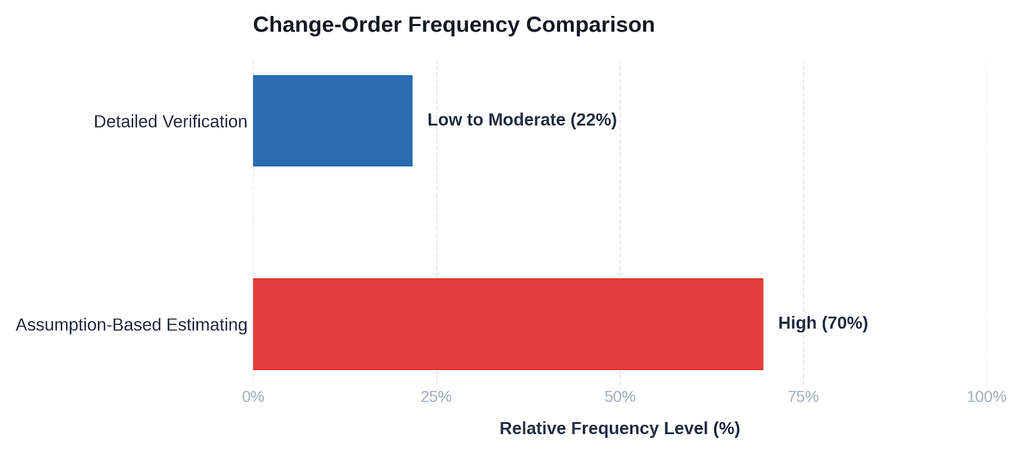
This comparison highlights a simple takeaway the more accurately quantities are verified with respect to the actual plans. The fewer expensive surprises await the contractor when construction has begun.
Cost Data Accuracy’s Function in Falling Estimating Risk
Accurate data is of little use without accurate cost data. The current market price of materials goes up and down, and labor rates may vary from region to region and over seasons. Suppliers’ delivery times may also change suddenly. All of these factors mean that even the most accurate estimate will be worthless if the cost data being put into it is old or unreliable. Therefore, contractors now work with solid Electrical Estimating Companies. Which constantly have access to the needed cost data instead of relying on old price lists. Business owners can rest assured that their quotes reflect the market and that they will not be underpricing their jobs by using out-of-date cost data. This way, accurate data contributes greatly to successful estimating.
Key Takeaways
- Cost data has to be fresh in order for it to actually benefit price calculation.
- Labor and material rates should be up-to-date.
- Cooperating with price data companies can make pricing more accurate.
- Fresh cost data leads to more efficient quoting.
Following Risk Mitigation Over Time: A Study Based on Facts
Companies working in sectors in which detailed estimating practices are common across many projects experience an evident boost in financial predictability. In this table, one can observe how the indicators connected with risk changed at companies that implemented the detailed process of estimating quantities and verifying costs over the course of two years.
| Timeframe | Budget Overrun Rate | Change-Order Costs (% of Contract) | Client Retention Rate |
| Before Detailed Process | 15–20% | 8–12% | 55–65% |
| Year 1 After Adoption | 8–11% | 4–6% | 70–75% |
| Year 2+ After Adoption | 3–6% | 1–3% | 80–88% |
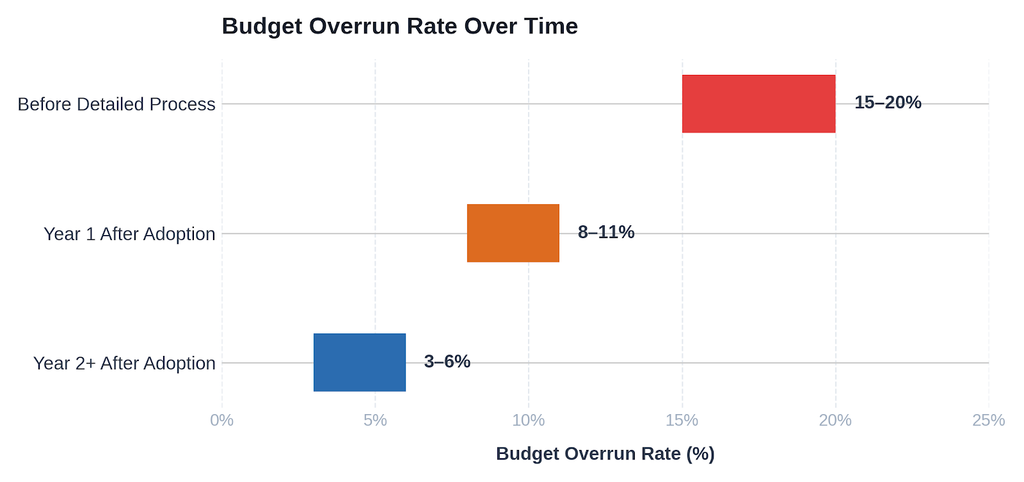
The permanent decrease in overruns, in combination with an increase in clients retained, ed shows that lower estimating risks lead to better relations with clients in the long run.
Principles of Risk Mitigation in Relation to Specialty Material Estimating
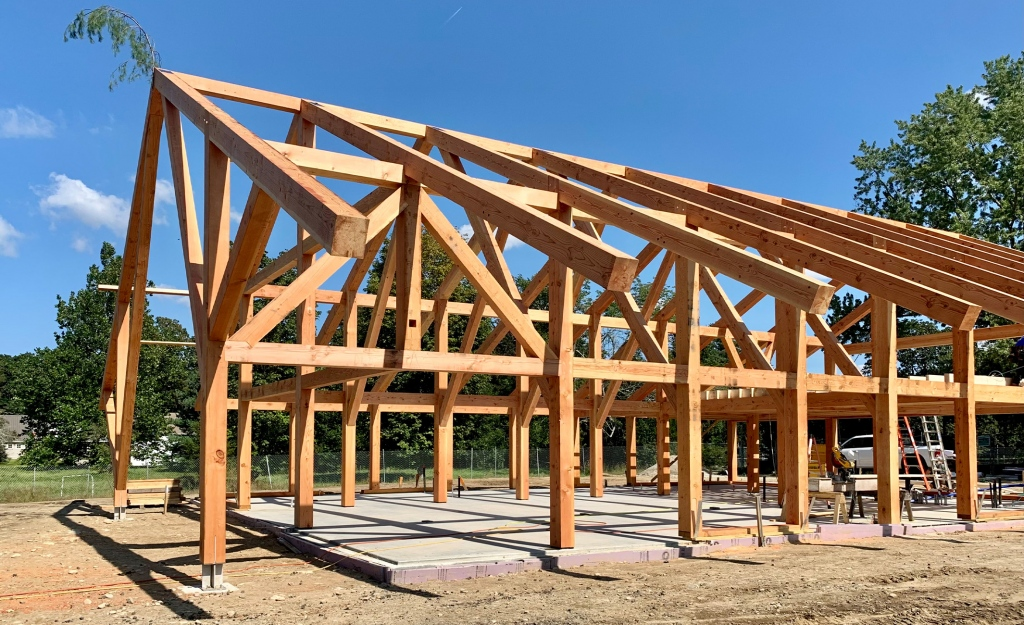
Principles of quantity take-off and actual cost data have just as much relevance when it comes to specialty materials that have different price variances. Heavy timber projects, custom framing projects, or large wood projects often require you to engage Industrial Lumber Estimator Services in order to account for the changes in lumber prices, grading, and availability of suppliers that might have changed by the time construction starts. Choosing a reliable estimating partner not only saves you time but also provides you the opportunity to leverage your business growth.
Lumber Estimator is a #1 estimating company to provide tailored industrial lumber cost estimating services and Residential Lumber Estimating to meet the needs of individual clients. By collaborating with specialists in electrical estimation and specialty materials estimators, an electrical estimator ensures optimum accuracy for the project budget. The need for collaboration stems from the idea that estimating risks in one sector of the construction process cannot be done as an isolated effort.
Key Takeaways
- Specialty material categories have their own unique risk and price variations.
- Use the same approach in estimating the price of lumber and framing as for electrical materials by continuously looking for changes in the market.
- Collaboration among estimators from different areas improves overall budget effectiveness.
- It is effective in reducing the risks when implementing the approach across the board.
Final Thoughts
The reduction of estimating risk does not rely on a single decision or a solitary tool. It calls for a steady approach to issues like plan reviews, quantity checks, and cost data validation. One thing that is clear from the evidence collected from the contractor companies is that businesses committed to thorough and data-oriented estimating processes face fewer budget overruns, fewer change orders, and enjoy greater client retention.
The future of electrical contractors depends on using every estimate as an opportunity to minimize unnecessary risks and not on rushing to meet the deadlines of submission. While the material market remains volatile and clients become more demanding in regard to accuracy, those companies that incorporate thorough and well-verified estimating processes into their work will be in a better position to secure their profits.
Frequently Asked Questions
Q 1: What is the primary cause of risk assessment complications in electric projects?
A: It is unclear or mistaken details of plans that cause risks,s as the information leads to discrepancies, i.e., in production, which end up as expensive problems later on in the project.
Q 2: In what way does the correctness of cost data influence risk assessment?
A: If cost data are outdated or inaccurate, te they may result in bidding prices that are lower than actual costs of materials and labor, hence increasing the chances of budget overruns.
Q 3: Is it true that cooperating with an outside estimating company can minimize risks? A: Absolutely. Companies that use up-to-date cost databases permit companies to create bids that accurately reflect the market situation.
Q 4: Can one say that detailed estimating helps to avoid change orders?
A: Definitely. Accurate analysis of plans and checking of material volumes can find all the questions related to the scope of the project before the beginning of construction, hence decreasing the amount of change orders.
Q 5: What is critical about specialty material estimating from the perspective of project risk?
A: Specialty materials, like lumber, have their own price fluctuations,ons hence