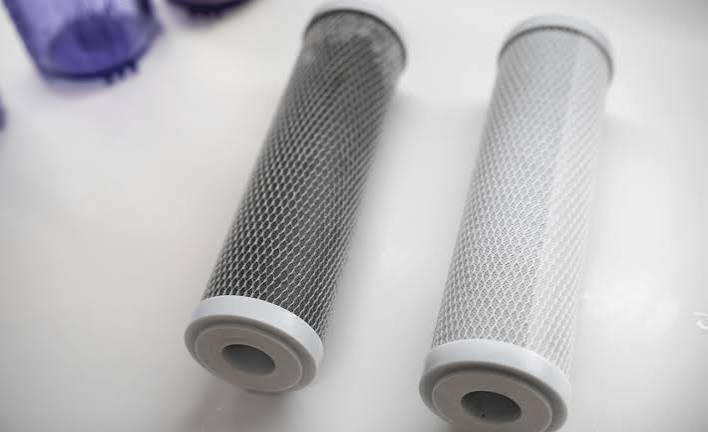

Typically, a filter doesn’t stop functioning all of a sudden. Its gauge readings increase gradually, its compressor heats up more than normal, and its outputs aren’t as effective as before. This is because it’s simple to consider these issues as ordinary malfunctions when using a filter.
By the time the filter is unusable, you end up replacing not only it but also the pump and cleaning whatever has been damaged in the equipment. You will have to justify all of this and apply for a budget from the maintenance department. You need to know what to pay attention to so that you can change the filter before it causes additional expenses for you.
1. Rising Pressure Drop
The pressure drop reading is the simplest and most accurate indicator you can depend upon. Each filter will have an initial pressure drop, and as it captures dirt and debris, this number increases. Most manufacturers have a limit on how much restriction can be permitted before filtration is no longer effective.
If you do not have a means of measuring the pressure difference, you need to get this sorted first.
2. Reduced Airflow or Flow Rate
A clogged filter limits the amount of air that can pass through, regardless of whether air is flowing in the HVAC system or whether the liquid is flowing in the hydraulic line. You could be experiencing a compressor that has difficulty achieving pressure, a ventilation system that feels sluggish, or simply a process that is taking longer than it should without any visible cause.
The reduction in flow caused by the filter and the reduction in pressure are basically two different names for the same problem, and either problem is enough reason to check the filter.
3. Equipment Running Hotter Than Normal
When airflow drops because a filter is clogged, whatever that filter is protecting has to work harder to compensate. Compressors, motors, and HVAC units will often run hotter under a restricted air supply, and that added heat load shortens the life of the equipment itself, sometimes considerably.
If you’re noticing higher operating temperatures and can’t immediately explain them, check the filter before you look anywhere else. It’s usually the first place worth ruling out.
4. Higher Energy Consumption
A loaded filter forces fans, pumps, and compressors to work against more resistance to move the same volume of air or fluid. That extra effort shows up directly on the energy bill, often before anyone notices a performance issue on the production side.
If energy costs are creeping up month over month with no other explanation, it’s worth pulling maintenance records and checking whether filter changes have been keeping pace with actual system demand.
5. Visible Damage to the Filter Media
At times, you will notice that the indication of a poorly working filter is only through visual signs. Any rips, cracks, or any media that seems to be crumbling apart suggests that the filter must have been working for too long, was exposed to something that it was not meant to withstand, or was simply faulty to begin with.
Damaged media not only fails to perform, but it is also capable of ignoring the purpose of filtration altogether because it will let all of the impurities pass unfiltered through.
What This Costs You If You Wait
Delaying a filter change rarely saves money. It usually costs more, just later and less visibly. Equipment running under restricted airflow wears out faster. Contaminants that get through damage downstream components. Energy costs climb quietly in the background. And an unplanned shutdown to deal with a filter that failed almost always costs more in downtime than a scheduled replacement would have.
The Bottom Line
A pressure gauge, a maintenance log, and a bit of attention to how your equipment normally sounds and runs will catch almost every one of these signs early. Industrial filters are one of the cheapest components in most systems to replace, and one of the most expensive to ignore.