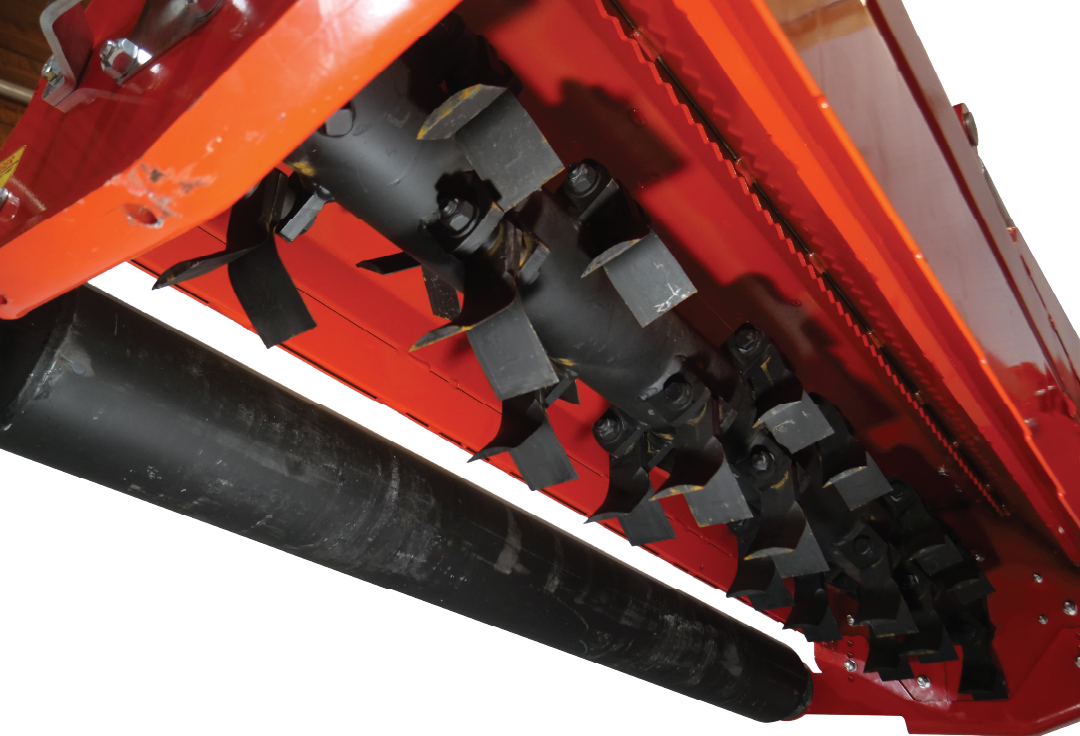

There is no fixed schedule for replacing flail mower hammer blades. A set may last much longer when cutting grass than when working through dense weeds, brush, or abrasive conditions. Instead of replacing blades after a certain number of hours, it is more useful to inspect their actual condition regularly. Excessive wear, cracks, deformation, damaged mounting holes, and changes in cutting performance can all indicate that replacement is due. Knowing these signs helps you avoid running damaged blades for too long while also preventing unnecessary replacement of blades that still have useful service life.
1. The Cutting Edge Has Become Heavily Worn
Normal wear gradually changes the shape of flail mower hammer blades as they repeatedly contact vegetation and other material. A worn cutting edge may look rounded, noticeably thinner, or different from the profile of a new blade. You may also notice that the mower leaves more material behind or requires slower travel speeds and additional passes to achieve the same result.
However, a blade does not need to look completely blunt before it needs attention. Compare the worn blade with an unused one of the same type and check how much material has been lost. If the blade has become substantially smaller or its original profile has changed significantly, replacement may be more appropriate than continuing to run it. Always use the mower manufacturer’s specifications when determining acceptable wear limits.
2. The Blade Is Bent, Deformed, or Deeply Gouged
A bent or deformed hammer blade is more than a cosmetic issue. It can change how the blade moves around the rotor and may increase vibration during operation. Deep gouges, large chips, or a twisted blade can also indicate that it has experienced a hard impact rather than normal wear. If the blade no longer has its original shape, it should be inspected carefully before the mower is used again.
Do not assume a damaged blade can simply be straightened and reused. Bending, welding, or other repairs can change the blade’s strength and balance. If a hammer is visibly distorted or severely damaged, replacement is generally the safer approach unless the mower manufacturer specifically approves a repair procedure.
3. Cracks or Damage Appear Around the Mounting Hole
The mounting hole deserves as much attention as the cutting edge. During operation, each hammer is repeatedly moving and striking material, so the area around the mounting point is exposed to continuous impact and load. An enlarged or oval-shaped hole, cracks around the hole, or visible damage to the mounting area can indicate excessive wear and may prevent the blade from sitting correctly on the rotor.
If you find cracks or significant hole wear, do not continue using the blade simply because its cutting edge still looks usable. The mounting hardware should also be inspected for wear or looseness, and the damaged hammer should be replaced according to the mower manufacturer’s specifications. Checking this area during routine inspections can help identify a problem before it develops into a more serious rotor or mounting issue.
4. The Mower Starts Vibrating More Than Usual
A noticeable increase in vibration is a reason to stop and inspect the mower rather than immediately assuming the hammer blades are worn out. A missing or broken hammer, uneven blade wear, loose mounting hardware, or replacement blades with different weights can affect rotor balance. Debris wrapped around the rotor, a damaged rotor, or worn bearings can also produce similar symptoms.
Start by checking the blades and their mounting points for damage, looseness, or unusual wear. If one or more hammers are missing or significantly lighter than the others, the rotor may no longer be properly balanced. If the blades appear to be in good condition, inspect the rotor, bearings, and surrounding components before replacing parts unnecessarily. Continuing to operate a mower with unexplained severe vibration can cause additional mechanical problems.
5. The Mower Leaves Uncut Strips or Needs More Passes
If a flail mower that previously produced a clean cut starts leaving strips of standing vegetation, the hammer blades are worth inspecting. Worn or damaged hammers may no longer cut material as effectively, forcing you to slow down or make additional passes. Torn or unevenly cut vegetation can also be a sign that the blades have lost too much of their original profile.
However, poor cutting results do not automatically mean the blades need replacement. Rotor speed, cutting height, travel speed, vegetation density, and other mower settings can affect the result. If cutting quality changes noticeably, inspect the hammer blades alongside these operating factors. This helps distinguish normal blade wear from a setup or mechanical issue before replacing otherwise usable parts.
6. Blade Wear Is Uneven Across the Rotor
Not all hammer blades will necessarily wear at exactly the same rate, but a large difference between blades is worth investigating. Uneven wear can result from differences in the material being cut, the position of the blades on the rotor, installation problems, or repeated contact with the ground or other hard objects in one area.
For this reason, do not judge a single hammer in isolation. Compare it with the other blades on the rotor and look for differences in thickness, shape, and overall weight. If several blades are heavily worn while others remain relatively intact, replacing only the most damaged ones may leave the rotor with significantly different blade weights. Check the mower manufacturer’s recommendations before mixing new and heavily worn hammers, as maintaining appropriate blade weight and balance can be important for smooth operation.
7. The Blade Has Been Damaged by Rocks or Other Hard Objects
A sudden impact with a rock, stump, piece of metal, or other hard debris should trigger an inspection even if the mower still appears to operate normally. The hammer may develop a chipped edge, bend, or crack that is not immediately obvious during normal operation. Pay particular attention to the mounting hole and the area around it, where impact forces can cause damage that may worsen with continued use.
After a serious impact, inspect more than the blade itself. Check the bolt or pin, mounting bracket, rotor, and nearby components for bending, cracks, or other damage. If the hammer is visibly damaged or the mounting components are compromised, replace the affected parts before returning the mower to service. This broader inspection can help prevent a damaged component from causing further problems.
After finding signs of excessive wear or damage, the extent of the problem should be considered before deciding what to replace. A damaged hammer does not automatically mean that every blade on the rotor has reached the end of its service life. The right approach depends on the condition of the remaining blades, the extent of the damage, and the mower manufacturer’s replacement requirements.
Should You Replace One Hammer Blade or the Whole Set?
If only one hammer is damaged and the other blades have relatively little wear, replacing the affected blade may be sufficient when individual replacement is permitted by the mower manufacturer. Before installing it, compare the new hammer with the existing blades for size, weight, mounting configuration, and overall condition. The bolt, pin, bushings, and spacers should also be inspected, since worn mounting hardware can affect how a replacement blade operates.
A full set may be more appropriate when most hammers are already heavily worn or several blades have been damaged under similar working conditions. Mixing new blades with substantially worn ones can create differences in blade weight and condition, which may affect rotor balance. When replacing a set, use matching specifications rather than choosing blades based only on appearance or price. The mower manufacturer’s instructions should remain the final reference for replacement requirements.
What to Check Before Installing Replacement Hammer Blades
Once you know which blades need replacing, matching the new parts to the mower is the next important step. When ordering flail mower hammer blades, do not rely on appearance or overall length alone. A blade that looks similar may still have a different mounting hole, thickness, weight, or mounting configuration.
Check the following before installation:
- Blade dimensions: Confirm the length, width, and thickness against the mower’s specifications.
- Mounting hole: The hole diameter and position must match the original mounting arrangement.
- Hardware: Inspect bolts, pins, bushings, and spacers for excessive wear or damage.
- Blade weight: Keep replacement blades within the specified weight range to avoid unnecessary imbalance.
- Rotor condition: Check the mounting brackets and rotor for cracks, bending, or accumulated debris.
- Installation orientation: Make sure the hammer is installed in the correct position and can move as intended.
Taking these measurements and checks before installation can prevent a replacement blade from fitting poorly or creating new problems during operation.
How to Avoid Premature Hammer Blade Replacement
Not every worn hammer needs to be replaced immediately, but poor maintenance and operating habits can shorten blade life unnecessarily. A simple inspection routine can help you catch problems early and avoid putting extra stress on the blades.
| What to Check | What to Do | Why It Matters |
| Blade condition | Look for cracks, deformation, chips, and unusual wear | Helps identify damaged hammers before failure |
| Mounting hardware | Check bolts, pins, bushings, and spacers for looseness or wear | Reduces movement and stress at the mounting point |
| Rotor | Remove packed vegetation and inspect for damage | Helps maintain proper blade movement and balance |
| Working area | Avoid rocks, metal, stumps, and other hard debris when possible | Reduces sudden impact damage |
| Operating conditions | Follow the mower’s recommended speed and cutting height | Prevents unnecessary stress and excessive wear |
It is also worth checking the blades regularly rather than waiting for a noticeable drop in cutting quality. If one component is worn, inspect the surrounding parts at the same time. Addressing a loose fastener or damaged mounting point early can prevent a relatively small maintenance issue from shortening the service life of the hammer blades.
Choosing Replacement Hammer Blades
When replacement is necessary, the goal is not simply to find a blade that fits the mounting point. The replacement should match the mower’s requirements and work consistently with the other hammers on the rotor. Before ordering, check these key specifications:
- Material: Consider the steel grade and heat treatment, especially if the mower regularly handles dense vegetation or abrasive conditions.
- Dimensions: Match the length, width, thickness, and mounting hole to the original specification.
- Mounting configuration: Confirm that the bolt, pin, bushing, or other mounting arrangement is compatible with the mower.
- Weight: Use blades with the appropriate weight to help maintain rotor balance.
- Mower compatibility: Check the specific mower model or rotor configuration rather than relying only on a similar-looking blade.
- Manufacturing consistency: If replacing several hammers, consistent dimensions and weight can help maintain more uniform operation.
For buyers comparing different replacement options, JYF hammer blades are available in different dimensions and configurations for flail mower applications. As with any replacement part, confirm the required specifications for your particular mower before ordering.
Conclusion
Flail mower hammers work under different conditions, so their service life can vary considerably from one job to another. Instead of treating replacement as a routine calendar task, you can make better maintenance decisions by paying attention to how the mower performs and how its components hold up over time. Keeping a consistent inspection routine also makes it easier to plan replacement parts before a worn or damaged hammer interrupts your work.